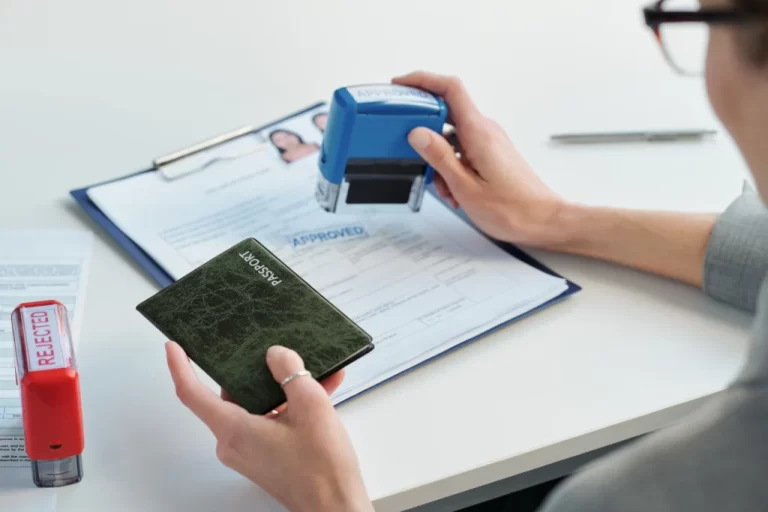
Residence Permits Explained: Types, Requirements, Timelines
Residence permits are legal authorizations that allow individuals to reside lawfully in a country for a specific purpose and period of time. Different types of permits exist depending on the reason for residence, such as employment, self-employment, family reunification, studies, or long-term residence. Each category is governed by specific legal rules that define eligibility and permitted activities. Choosing the correct type of residence permit is essential, as holding an inappropriate permit may limit lawful activities or lead to legal complications. Understanding the distinctions between permit categories helps applicants align their residence status with their personal or professional objectives.

Legal Requirements and Documentation
Obtaining a residence permit requires compliance with defined legal requirements and the submission of supporting documentation. These requirements may include proof of identity, lawful entry, financial means, accommodation, and the specific purpose of residence. In some cases, additional documentation such as employment contracts, family relationship evidence, or enrollment confirmations may be required. Applications must be complete and accurate, as missing or inconsistent information can result in delays or rejection. Legal assessment at this stage is important to ensure that all requirements are met and that the application is properly prepared in accordance with applicable rules.
Timelines and Legal Considerations
The processing timeline for residence permits varies depending on the type of permit and the complexity of the application. Legal timeframes are usually established for reviewing applications, though delays may occur due to administrative checks or additional document requests. During this period, applicants must respect the conditions of their current legal status and avoid actions that could affect their application. Understanding expected timelines and procedural steps helps applicants plan accordingly and reduces uncertainty. Proper legal guidance can assist in monitoring the process, responding to requests, and ensuring that residence rights are obtained lawfully and without unnecessary complications.